



Renewals stuck in limbo. Expired offers coming back from the dead. A spreadsheet that apparently only one person knows how to use. Sound familiar?
I love a good seasonal scare. Haunted houses. Horror movies. The price of a giant skeleton that I will absolutely convince myself is an investment.
But multifamily has its own collection of horrors, and they don’t politely pack up on November 1.
If you’re a regional manager, you probably don’t need someone jumping out of a corn maze to get your heart rate up. “We’re still waiting on those renewal decisions” might do the trick. Especially when those leases expire next month, the owner wants an updated forecast, and getting a clear answer requires six emails and a spreadsheet expedition.
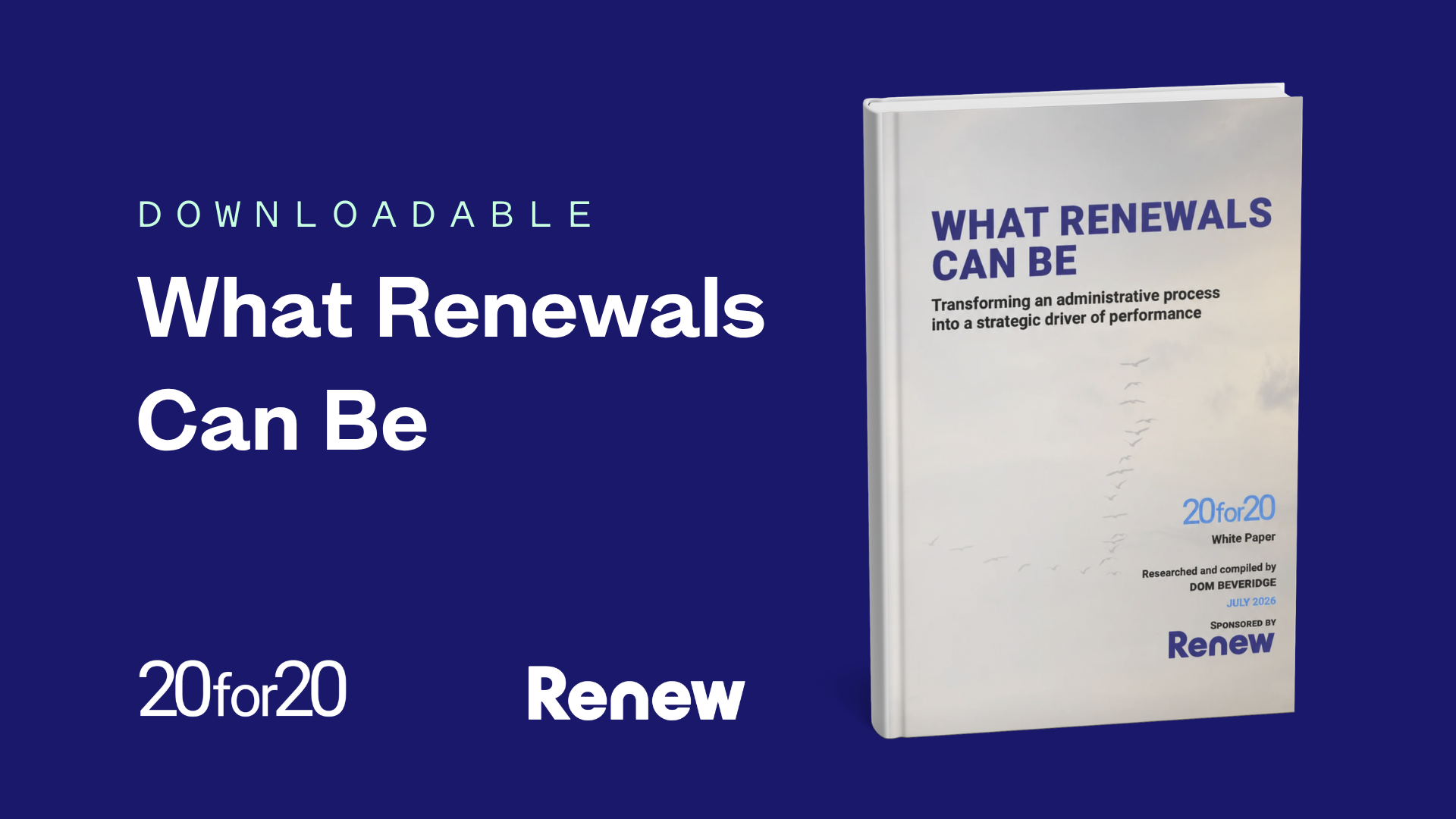
At Renew, we recently collaborated with Dom Beveridge of 20for20 on What Renewals Can Be, a paper exploring how operators are rethinking the renewal experience. It looks at everything from resident decision-making and follow-up to portfolio visibility and what happens after someone says no.
Reading through it, I kept coming back to how familiar these challenges must feel to the people overseeing multiple communities. A process can look perfectly reasonable on paper while creating all kinds of chaos in practice.
So, in the spirit of Halloween, let’s talk about five things haunting regional managers, and a few ways to make them less terrifying.
1. The renewal that’s still “pending.” Forever.
The offer went out. Someone followed up. The resident said they were thinking about it.
And now “thinking about it” has entered its third season, with no finale in sight.
Meanwhile, your team needs to plan. Will the apartment be available? Should marketing be preparing to generate demand? Is maintenance looking at a turn? How much confidence should anyone have in next month’s occupancy forecast?
A pending decision leaves all of those questions hanging.
There are plenty of reasons a resident might hesitate. They could be weighing a job change, discussing plans with a roommate, or trying to understand their options. They might also have a question that nobody has answered, or assume they need to visit the office to finish something they could otherwise do online.
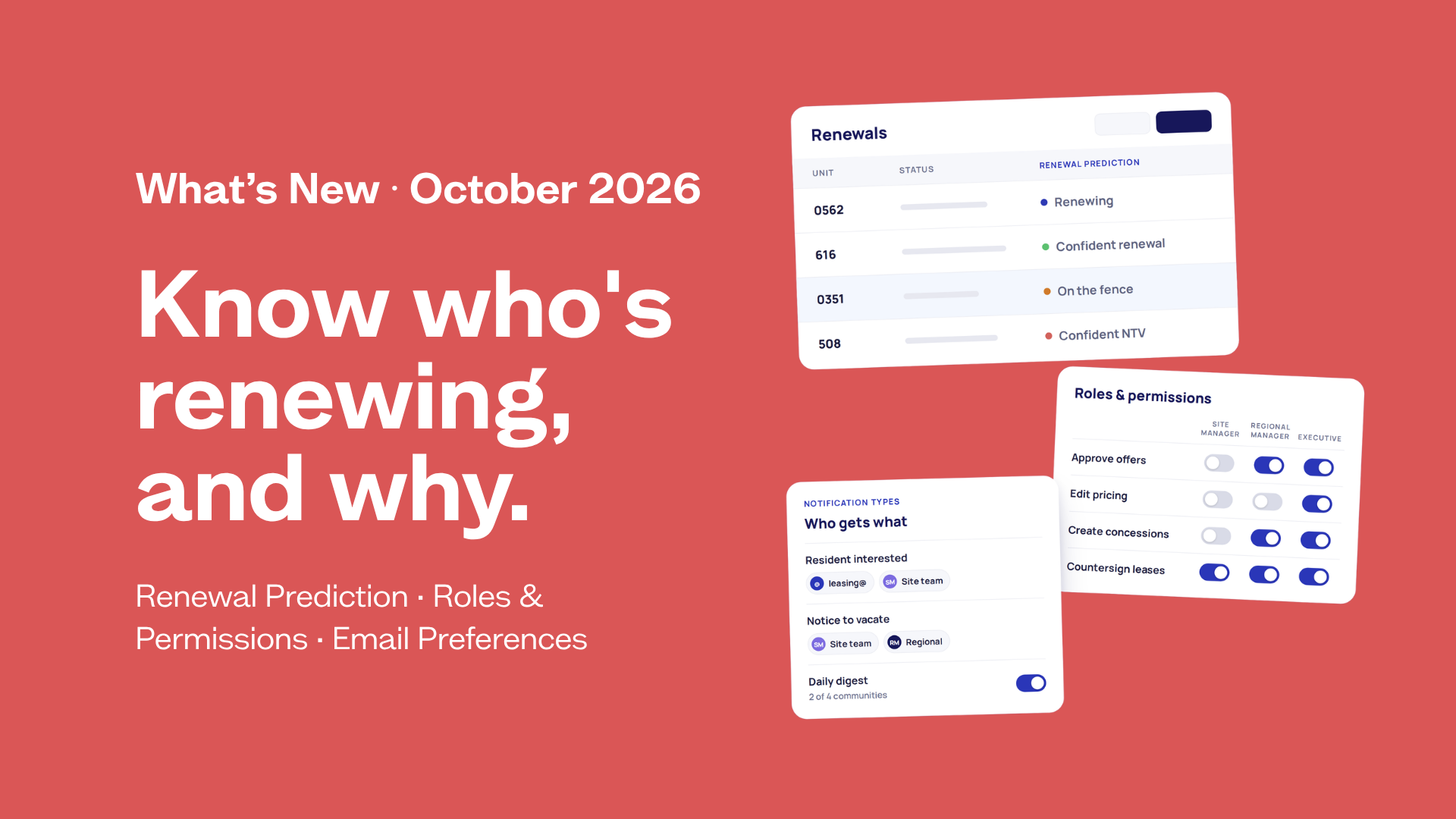
From a regional view, those situations can look identical: pending, pending, pending.
What to do about it
Start by making the undecided group more useful.
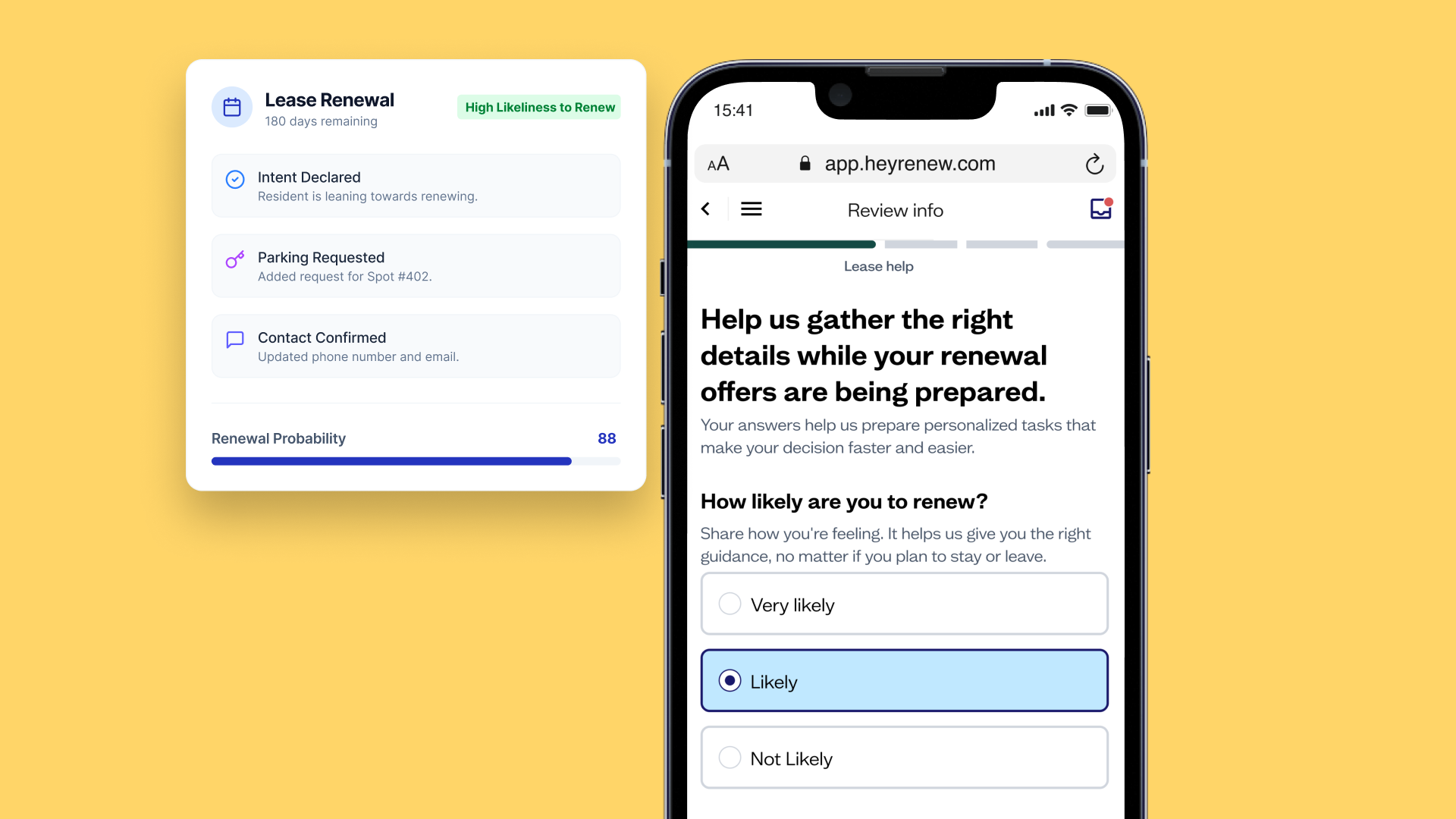
Can your team distinguish between a resident who hasn’t opened their offer, one who has a question, and one who has agreed to stay but hasn’t completed the paperwork? Each needs a different next step.
It also helps to review unresolved decisions by time remaining before expiration. A portfolio average can look reassuring while a handful of approaching deadlines quietly become next week’s emergencies.
Give routine reminders a consistent schedule, make the next step easy for the resident, and give site teams a clear way to surface situations that need a person.
“Pending” should tell you where to investigate. It shouldn’t be the end of the conversation.
2. The expired offer that won’t stay dead
The resident calls on Tuesday to accept the price that expired on Friday.
Someone needs to check whether it can still be honored. Someone else needs to approve the exception. The person who normally handles that is out.
Congratulations. Your renewal offer now has a sequel.
This gets especially messy when deadlines are communicated clearly at the beginning but handled differently at the end. One community honors the old offer. Another requests new pricing. A third has been waiting for guidance since yesterday.
Everyone is trying to help. The process still leaves the resident waiting and your teams untangling what should happen next.
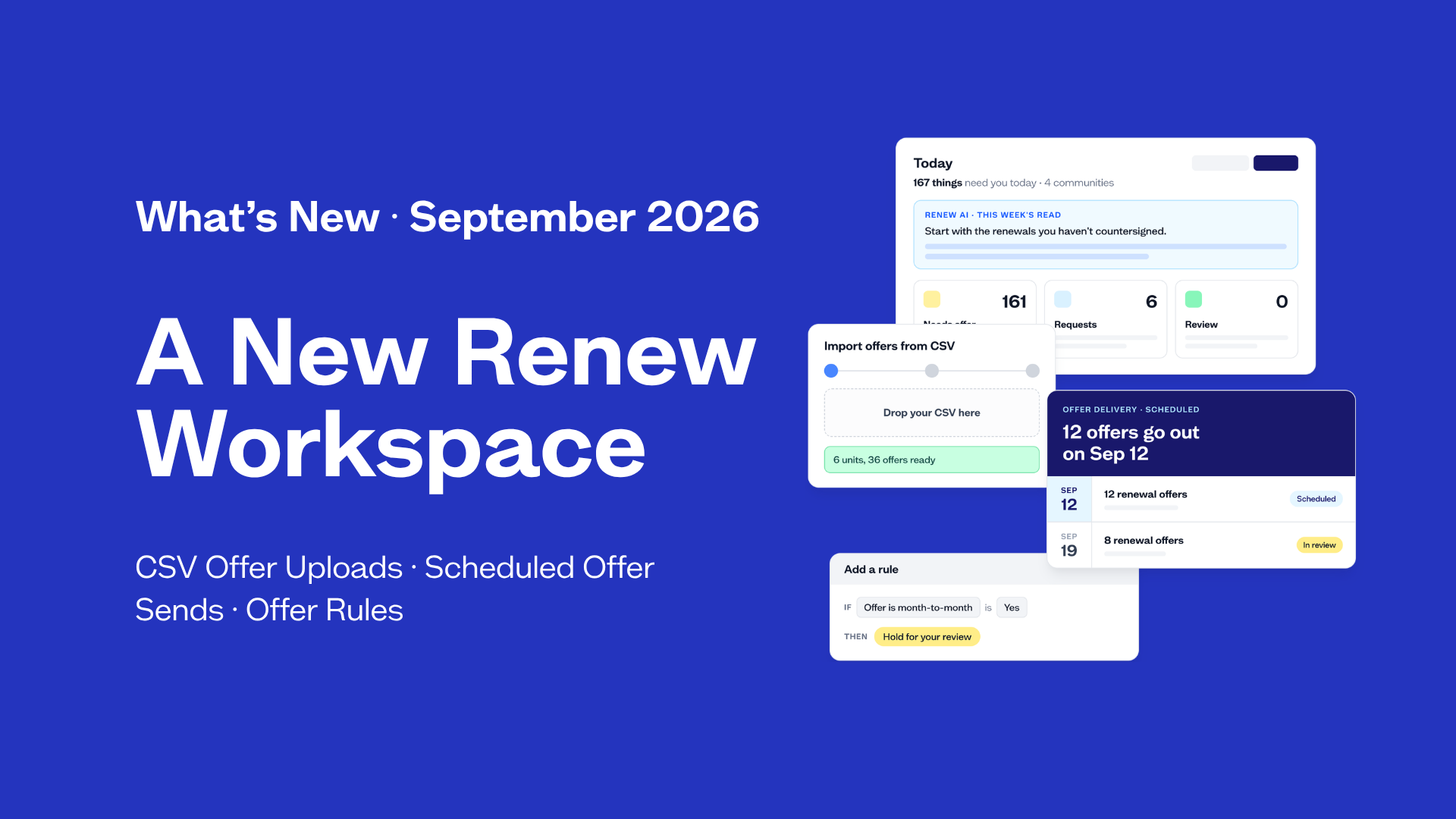
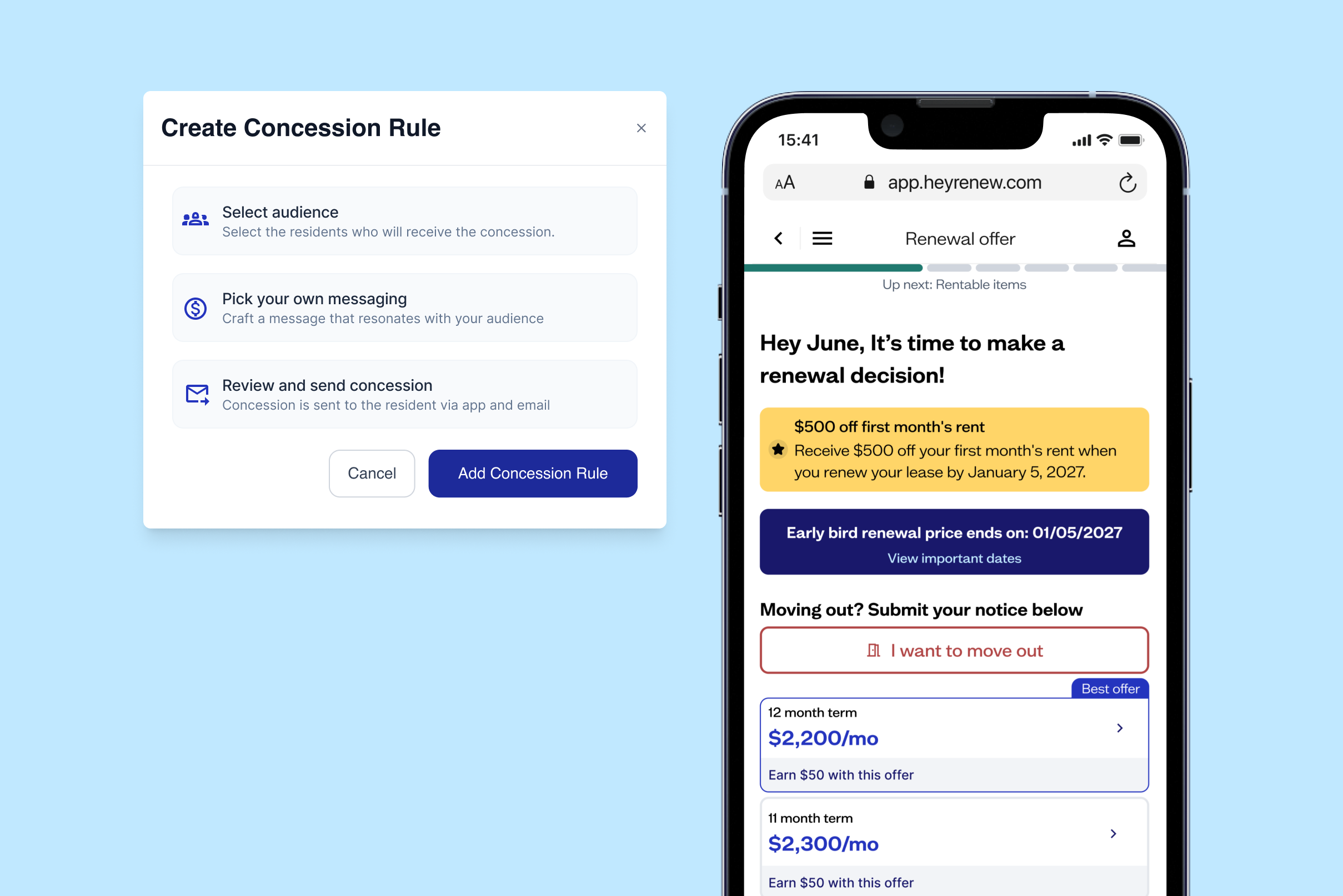
The 20for20 paper explores time-based renewal offers, including the importance of having the operational discipline to support them. A deadline needs a reliable process behind it, from the reminders leading up to it to the offer the resident sees afterward.
What to do about it
Walk through an expired offer as if you were the resident and the site team.
What does the resident see when they return? Is the current offer clear? Does the team know which terms apply? If an exception is appropriate, who can approve it, and where is that decision recorded?
Set those expectations before the next deadline arrives. Where possible, automate routine reminders and offer updates so staff don’t have to remember every transition manually.
Exceptions will happen. Having an agreed process keeps each one from becoming a fresh mystery.
Preferably one without twelve people copied on the email.
3. Five properties. Five different renewal processes.
One community has a color-coded spreadsheet.
Another keeps detailed notes in the property management system.
A third has a shared document, although “shared” is doing some heavy lifting because nobody can find the link.
And one has a property manager who knows absolutely everything about every renewal.
That person is wonderful. That person also deserves to take a vacation.
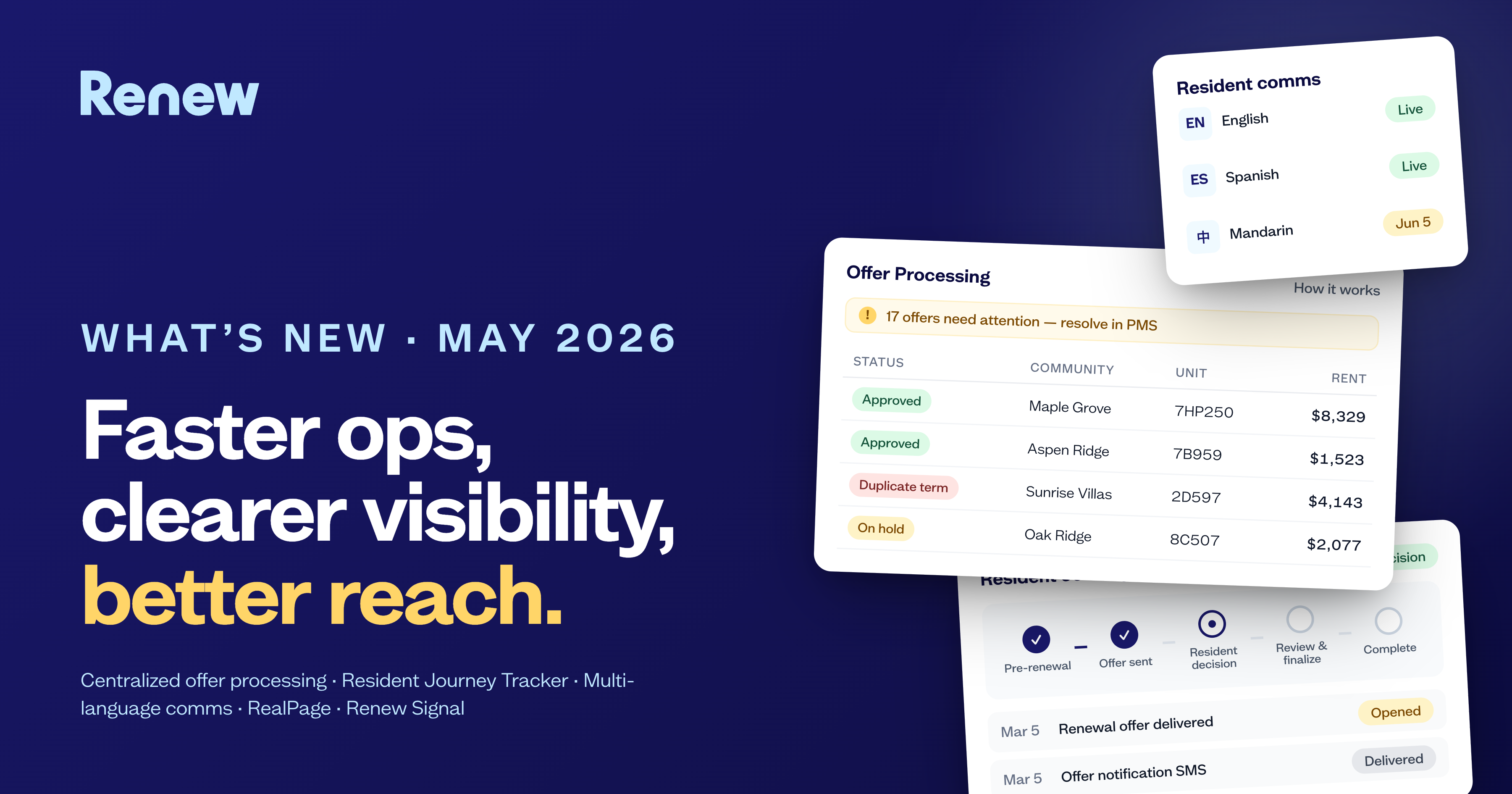
For regional managers, the challenge is getting a dependable picture across all of it. Before you can help a struggling community, you have to work out what its statuses mean, how recently they were updated, and which steps actually happened.
Even something as simple as “offer sent” can invite questions. Was it generated? Emailed? Delivered? Does the resident have everything they need to act?
If every property answers differently, your portfolio report comes with homework.
What to do about it
Agree on a common set of renewal stages and define what each means.
Keep it practical: offer approved, delivered, awaiting a resident decision, requiring team attention, and completed, for example. Whatever stages you choose, teams should understand what moves a renewal from one to the next.
Then make responsibility visible. If a renewal is waiting on an answer, everyone should be able to see whose answer it needs.
A consistent process also makes performance conversations more useful. You can investigate whether delays are happening during approvals, resident follow-up, or completion rather than asking a property to explain an entire renewal rate.
Local knowledge still matters. A shared process gives people a way to use that knowledge without requiring you to become a detective at every community.
4. The “one more thing” renewal experience
Imagine buying something online, reaching the confirmation screen, and discovering you need to call the store.
You call. They ask you to complete a form.
You complete the form. Now your partner needs to sign something.
Your partner signs. There’s another requirement.
At some point, you would reasonably wonder whether the store actually wants your money.
Now imagine that experience attached to a decision about your home.
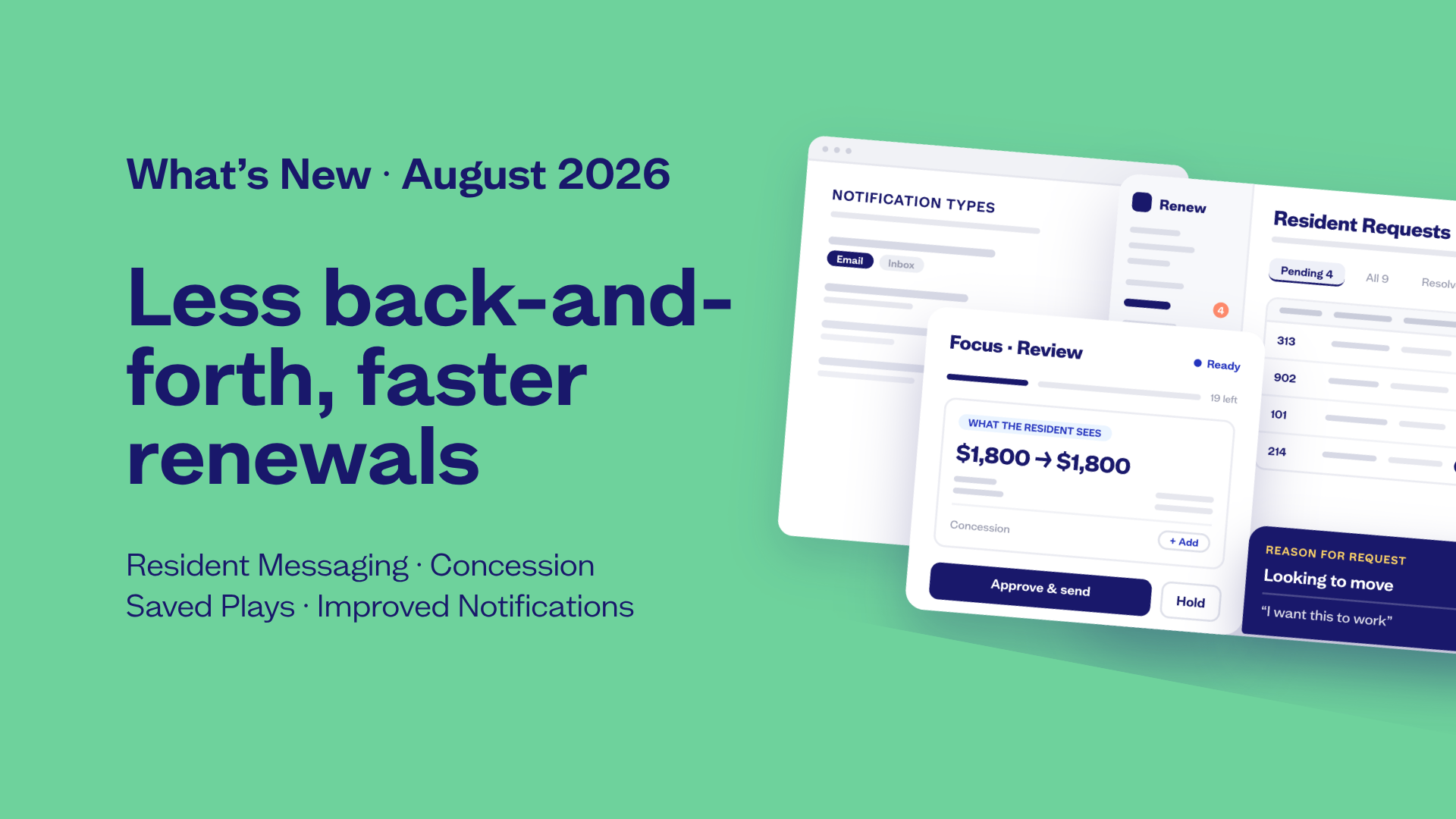
A resident may have every intention of renewing and still struggle to reach the finish line. They’ve accepted the offer, but there’s a signature outstanding, a document missing, or a question about a fee. Your report shows an incomplete renewal. Their understanding is, “I already told you I’m staying.”
That disconnect gives site teams more chasing to do and regional managers less certainty about what’s complete.
What to do about it
Try completing your own renewal journey from the resident’s perspective.
How many places do you have to go? Which requirements are explained upfront? Can everyone in the household see what they need to do? Is it clear when the renewal is finished?
Bring the required steps together wherever possible, and explain what remains when something is incomplete. A reminder that says “please complete your renewal” is less helpful than one that identifies the missing action.
Give teams the same clarity. They should be able to distinguish a resident who is undecided from one who needs help uploading a document.
Someone who wants to stay shouldn’t need the determination of a horror movie’s final girl to complete the paperwork.
5. The resident who disappears after “no”
A resident needs a second bedroom. Their current community doesn’t have one available.
Another is moving closer to work. Another wants a smaller apartment at a different price point.
They decline their renewal, submit notice, and enter the move-out process.
But what happens to the information they just gave you?
There may be another community you manage that fits what they need. There may be a team that would love an introduction to someone actively looking for a home.
Making that connection requires a process. Otherwise, the resident starts their search from scratch while another property starts looking for a prospect who sounds an awful lot like them.
The paper explores this opportunity, including the economic considerations when communities have different owners. Those details deserve attention. So does the resident’s choice about whether they want help finding another home.
What to do about it
Start by capturing useful move-out reasons and making them accessible to the people who can act on them.
“Personal reasons” doesn’t give anyone much to work with. “Needs a two-bedroom near their new office” offers a potential next step, if the resident is interested.
Establish when a referral makes sense, how permission is obtained, and who handles the handoff. Where ownership differs, agree on the commercial arrangements and responsibilities before making introductions.
Then track whether those introductions lead anywhere. A referral process needs follow-through, too.
You won’t retain every resident at their current community. You can still make their next step easier and learn something useful about the needs your portfolio is—or isn’t—meeting.
A little less mystery would be nice
Regional managers already have enough competing demands without reconstructing renewal histories from inboxes, spreadsheets, and someone’s very impressive memory.
The opportunity is to make the process easier to see and easier to complete. Residents understand their choices and next steps. Site teams know where their attention is needed. Regional leaders can spot a delay while there’s still time to help.
That’s the bigger conversation behind What Renewals Can Be: what becomes possible when operators give the renewal experience the structure and attention it deserves.
For Halloween, though, I’d settle for fewer expired-offer resurrections and a spreadsheet that survives its creator’s PTO.
Want to dig deeper? Read What Renewals Can Be, our white paper with 20for20, for operator perspectives on making renewals a more consistent, measurable part of portfolio performance.