.svg)

.svg)


.png)
Multifamily has spent the last decade borrowing from hospitality.
Amenities have improved. Service models have evolved. Many operators have invested in stronger branding and more coordinated resident experiences. Behind the scenes, centralized leasing and standardized workflows have made it easier to operate consistently across portfolios.
In a lot of ways, properties now function more like connected brands than standalone assets.
But as multifamily leans further into hotelization, a structural gap is becoming clearer:
Hotel guests experience continuity. Most multifamily residents don’t.
What Hotelization in Multifamily Misses
When people talk about hotelization in multifamily, the focus tends to stay on what’s visible: amenities, service levels, design, and brand.
What’s easier to overlook is the system underneath.
In hospitality, guest relationships are designed to persist over time. Preferences, history, and loyalty aren’t tied to a single stay or location. They carry forward, and each interaction adds context to the next one.
That continuity shapes the experience in ways that are subtle but cumulative. Returning guests don’t start from zero.
Multifamily hasn’t historically been structured that way.
Even within the same portfolio, resident interactions are often tied to a single lease term. When that lease ends, the system largely resets — regardless of how long the resident has been there or how they’ve engaged along the way.
You might also like: What Multifamily Can Learn From the Airline Industry
Where the Resident Experience Becomes Transactional
The relationship reset separating multifamily from hospitality is especially visible at renewal.
From an operational standpoint, it’s one of the most important moments in the resident lifecycle. It’s where retention decisions happen and where a significant portion of revenue is either secured or put at risk.
But the experience itself often doesn’t reflect that importance. In many cases, renewal still follows a fairly linear process:
- A notice is delivered
- A rate is presented
- A decision is expected within a fixed window
What’s often missing is any connection to what happened during the lease: how the resident engaged with communications, whether they responded to prior offers, how early they showed intent, and how their experience has unfolded over time.
From service interactions to length of stay, these factors shape whether the space still feels like home — or somewhere they’re ready to leave.
When that context isn’t carried into renewal, the experience becomes transactional rather than relational, even (and especially) for long-term residents.
Why the Model Resets — And What Continuity Actually Requires
The reset at renewal reflects how multifamily is structured.
Most systems are built around leases, units, and transactions. Data sits at the property level, and workflows are triggered by lease events, so context doesn’t consistently carry forward.
That shows up in a few ways:
- Resident history doesn’t reliably inform future interactions
- Engagement signals aren’t consistently used to guide timing or outreach
- Each lease term functions as a defined start and end point
The result is an experience that feels episodic, no matter how long someone has called the space home. At scale, that pattern repeats often. Roughly half of residents turn over each year, and many who stay still move through renewal as if their history doesn’t apply.
Creating continuity means connecting interactions over time — so engagement, behavior, and lived experience shape what happens at renewal, rather than sitting separate from it.
A system designed around renewal starts to play a role here, bringing together data, timing, and execution so the relationship can continue instead of reset.
What the Next Phase of Multifamily Hotelization Looks Like
Creating hotel-like continuity for multifamily residents requires a different layer of infrastructure.
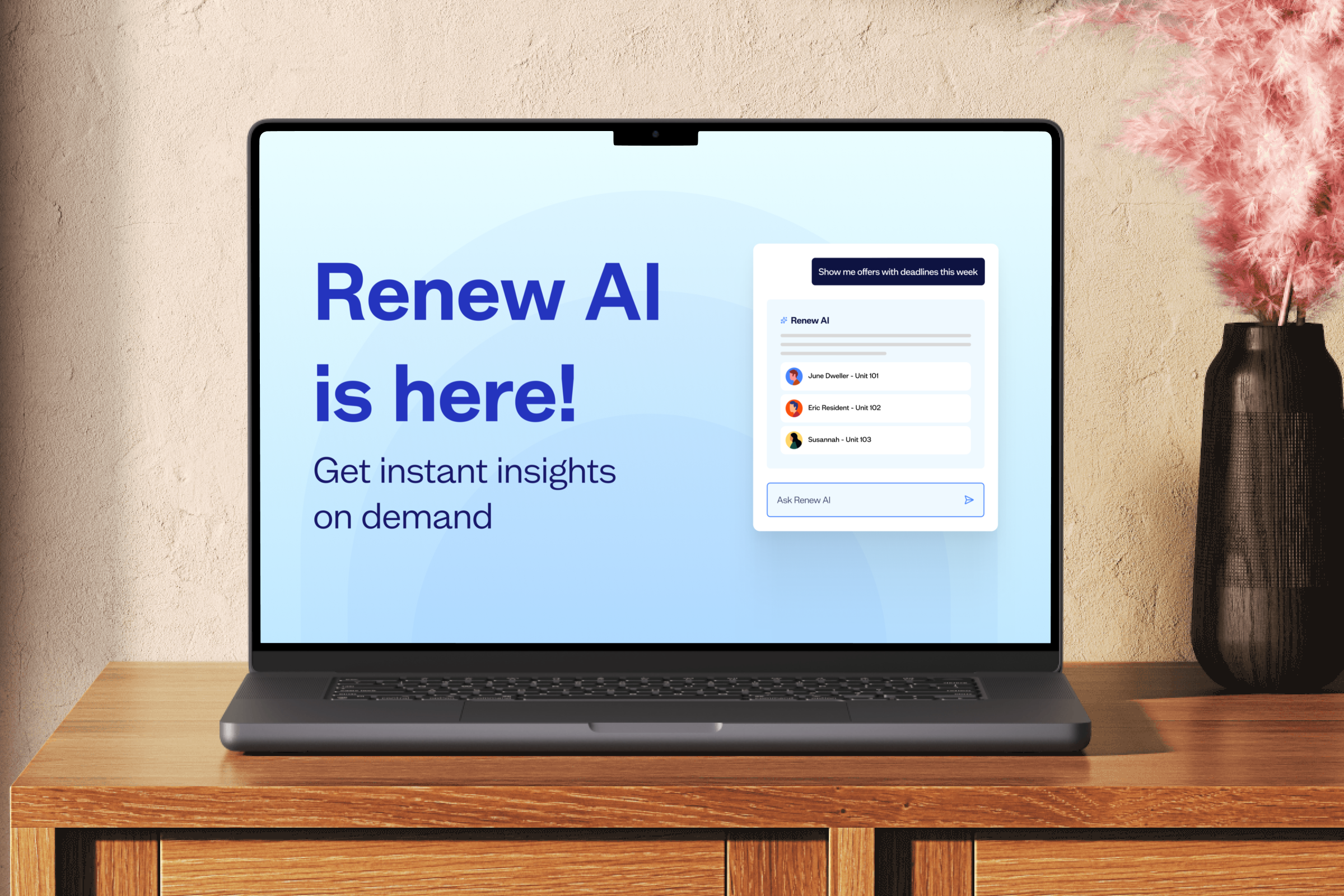
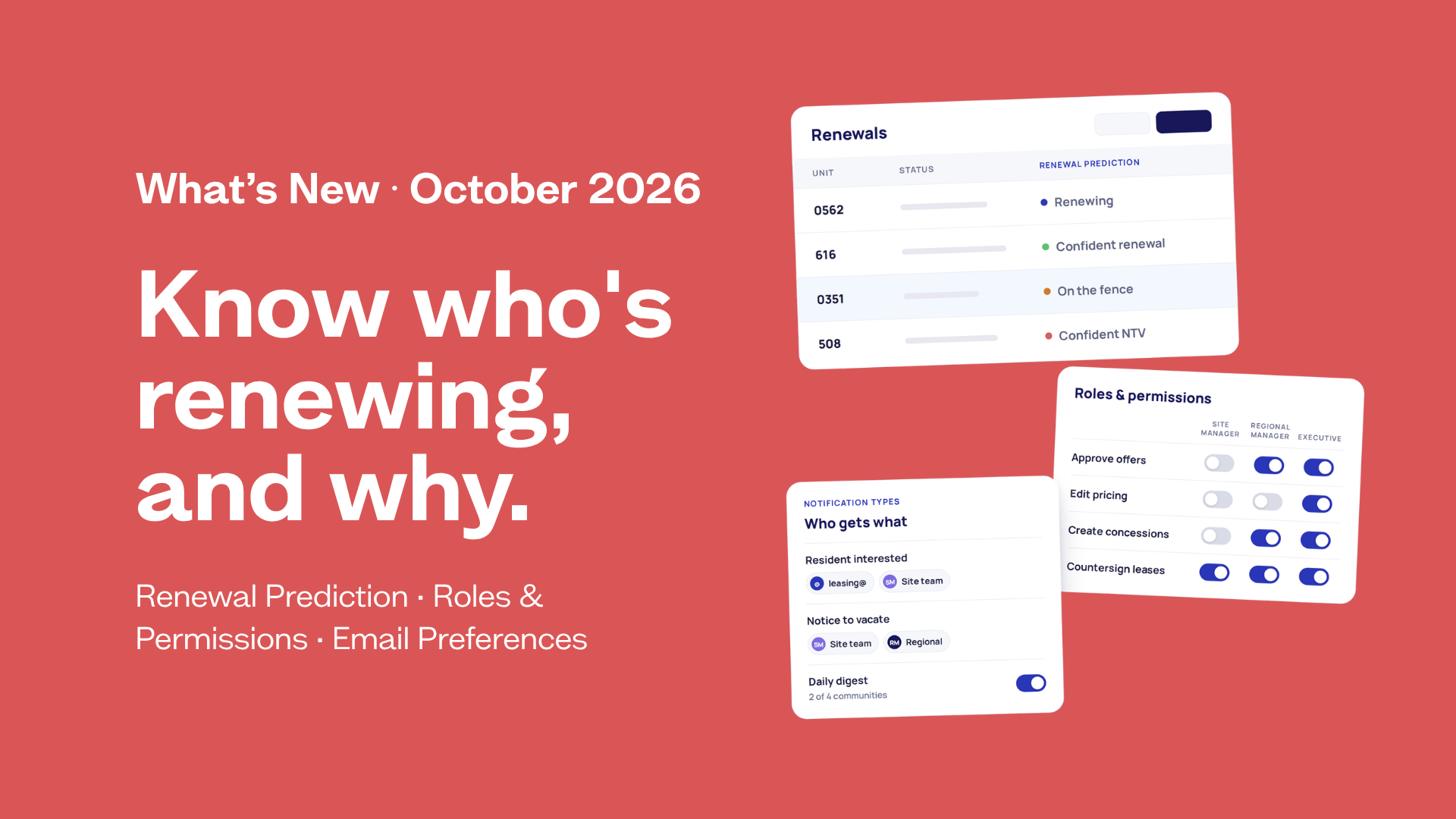
That’s where platforms like Renew are redefining the renewal experience. By focusing on the moments leading up to renewal — how residents engage with pricing, communications, and their broader experience — Renew helps operators identify intent earlier and respond with more context.
Instead of a one-size-fits-all notice, residents can be met with options that reflect their history, preferences, and likely next move — made possible by a scalable Renewal Management System that unifies resident data, insights, and execution within your existing stack.
The goal isn’t to make apartments feel exactly like hotels. It’s to bring one of hospitality’s core advantages into multifamily: an experience where residents feel recognized.
The impact of that recognition is measurable. One top-10 NMHC owner increased retention by nearly three points with Renew — translating to about $6M in added value across a 100,000-unit portfolio.
At the end of the day, everyone wants to feel known at home. Bringing that knowledge into renewal adds to resident satisfaction, retention, and NOI.


.png)
.png)
.png)
.png)
.png)
.png)
.png)
.png)
%20(1).png)
.png)
.png)
.png)
.png)
.png)
.png)
.png)

.png)
.png)
.png)
.png)
.png)
.png)
.png)
.png)
.png)

.png)

.png)






.png)
.png)
.png)