.svg)

.svg)


.png)
Your PMS data drives every decision you make. What if 30% of the time, the PMS is wrong?
Every multifamily operator has a Property Management System at the center of their operations.
Rent rolls, lease terms, resident data, financial projections — it all starts in the PMS. Revenue management teams use it to set pricing. Accounting teams use it to reconcile. Asset managers use it to report to investors.
And everyone assumes the data is accurate.
That assumption might be costing you more than you think.
The Reality of Treating Your PMS as Truth
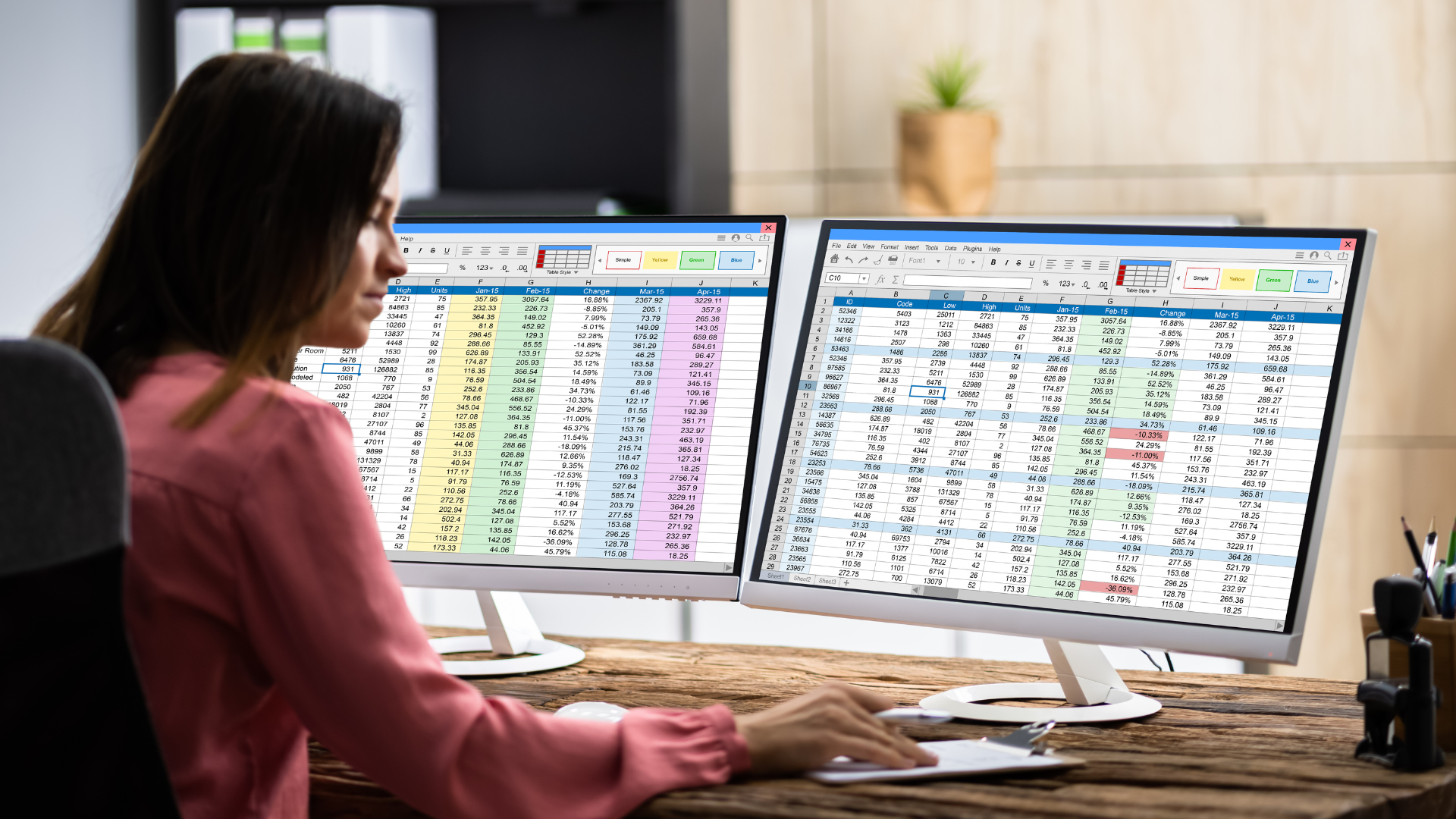
When was the last time someone on your team pulled a signed lease or renewal agreement and compared it, field by field, against the PMS?
For most operators, that only happens when something goes wrong. Maybe a resident disputes their rent amount. An investor questions a number. Or an auditor flags an inconsistency.
You hunt in the PMS for the culprit. But by then, the error is already embedded:
- It’s flowed from your PMS into your budget reports.
- It’s shaping your NOI projections.
- It’s been shared with stakeholders.
The issue wasn’t team carelessness. Errors make their way into the PMS because this data is entered manually, at a high volume, into a system that assumes it’s correct.
What Renew Found: The 1-in-3 Gap
When Renew analyzed lease data across our partner base, we compared three sources side by side: the PMS record, the renewal terms residents accepted, and the lease document they signed.
All three should have told the same story.
But nearly 1 in 3 PMS records didn’t match what residents had agreed to in their lease or renewal terms.
These weren’t edge cases.
The discrepancies showed up in core lease data: a start date transposed here, a rent amount carried over from a prior term there. Incorrect fees, terms, even names — all different from what residents actually signed.
Without a PMS verification layer, that bad data never gets corrected, and even seemingly “small” inconsistencies add up.
How Small PMS Errors Turn Into Real Exposure
Let’s say you learn your PMS is off by $50 a month for one unit’s rent. Not ideal — but not enough to raise alarms, right?
The problem: In a high-volume, manual system, errors are easy to repeat. By the time that $50 error shows up across 100 leases, $60,000 in annual revenue has either been over-reported or under-collected.
Meanwhile, that same incorrect rent is getting copied into renewals, referenced in reporting, and pulled into projections. It all flows forward — into your financial reporting, your budgeting, and your investor communications.
When that happens:
- Revenue gets misrepresented: Rent and fees don’t reflect what residents actually agreed to.
- Financials skew: Reports, forecasts, and budgets are built on incorrect inputs.
- Issues surface late: Discrepancies only show up during audits, investor reviews, or disputes.
- Residents see inconsistencies: Renewal terms and charges don’t match signed agreements.
- Decisions lose accuracy: Pricing, projections, and strategy rely on unverified data.
- Investor trust erodes: Reported numbers don’t hold up under scrutiny.
This is when a small discrepancy turns into something harder to unwind.
The industry invests heavily in revenue optimization, pricing, and analytics. But all of it depends on the underlying lease data being correct.
When that data is off, every report, forecast, and decision reflects it.
The Missing Layer: Continuous Verification
Catching lease data discrepancies requires more than better reporting or periodic audits.
It requires a way to compare lease data across multiple sources — consistently, and at scale.
Your PMS reflects what was entered. The lease document reflects what was signed. Renewal terms reflect what was accepted. Without comparing those sources directly, there’s no reliable way to know whether they align.
Manual audits try to fill that gap. But they’re limited by design. They review a small subset of leases, at a single point in time, and depend on teams to catch issues after the fact.
Meanwhile, lease activity continues. New agreements are signed, renewals are processed, and more discrepancies are introduced. So the process never really catches up.
What’s needed is continuous verification — an automated way to compare lease data across multiple independent sources, on an ongoing basis, so that discrepancies become visible while they’re still actionable.
That’s the gap we built Renew Lease Audit to fill.
How Renew Lease Audit Finds What Your PMS Misses
The question isn't whether your PMS has errors. It's whether you have a way to find them.
Renew Lease Audit continuously compares and verifies three sources side by side:
- Your PMS record
- The renewal terms residents actually accepted
- The signed lease document
Using OCR and AI, it extracts key lease fields — rent, term, dates, names, fees, unit details, and rentable items — and checks them across all three sources.
This runs automatically, every day, across your full lease set. No sampling. No manual audits.
See Renew Lease Audit In Action
When something doesn’t line up, discrepancies are surfaced immediately with all three sources side by side, so it’s clear what’s different and where.
Errors can then be reviewed and resolved in a centralized dashboard, where teams can also prioritize, collaborate, and export validated data for accounting, compliance, and investor reporting.
The result: Cleaner data that stays that way over time, across the portfolio.
Reporting becomes more reliable. Investor conversations are backed by verifiable numbers. And site teams catch errors in days, not months.
That’s what it looks like to actually trust your data.
—
Renew Lease Audit is an AI-powered, 3-source lease verification engine that automatically compares PMS records, renewal data, and signed lease documents to flag discrepancies daily, with zero operator lift. Schedule a demo with our team to learn more.

.png)
.png)
.png)
.png)
.png)
.png)

.png)
.png)
%20(1).png)
.png)
.png)
.png)
.png)
.png)
.png)
.png)

.png)
.png)
.png)
.png)
.png)
.png)
.png)

.png)
.png)

.png)


.png)






.png)
.png)
.png)